Working together for a better food future
Whether you’re a Bristol resident, community group, school, business, grower or public service, Bristol Good Food 2030 is here to help you be part of a better food future.


Why is Bristol taking action for Good Food?
Bristol Good Food 2030 (BGF2030) is a city-wide partnership bringing people and organisations together to make food work better for Bristol by 2030.
Food touches many of Bristol’s biggest challenges – including health, inequality, climate change and nature loss. Our vision is for the city’s food to be healthy, fair, affordable and good for the planet.
Bristol Good Food 2030 provides a space for sharing ideas and stories about good food in Bristol, and supports partnership working behind the scenes to align action across the city towards real, lasting change.

Wait, what’s a food system and why is it important?
The food system
Growing → Transport → Buying → Eating → Waste
The food system includes everything and everyone that brings food from field to plate and beyond – how we grow, transport, buy, share, eat and dispose of food.
So, if you eat food, you are also part of the food system
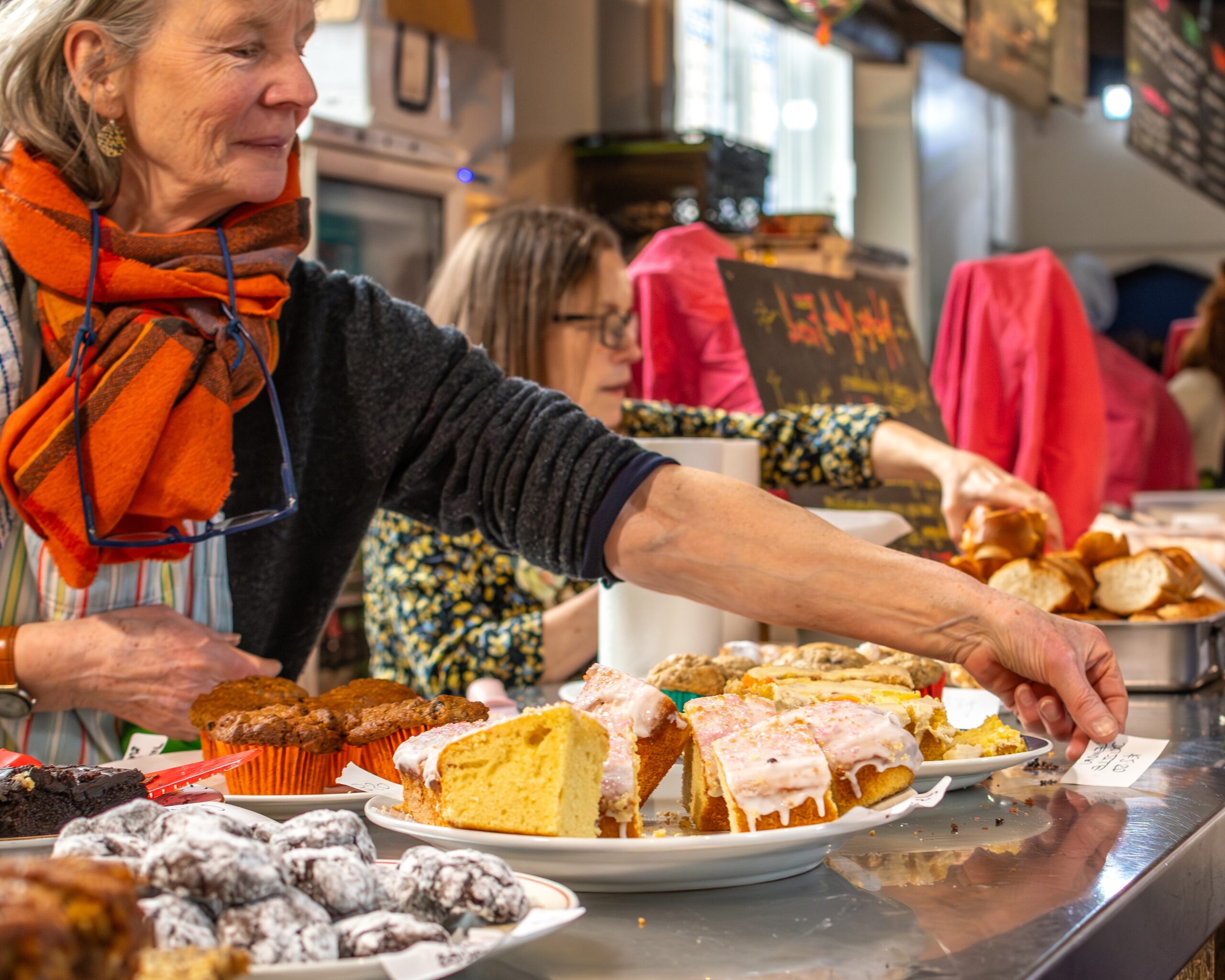
The food system contributes to global challenges — but can also help solve them
Our food system plays a big role in the climate and nature crises, contributing to rising temperatures, extreme weather and the loss of wildlife and natural spaces. Around one third of global carbon emissions are linked to how food is grown, processed, transported and wasted, but food is often missing from conversations about climate, nature and social justice,
At the same time, our food system can offer us some of the most practical and positive solutions.
How food affects the climate & nature crises
Climate emissions
Farming, fertilisers, processing, transport, packaging and food waste all contribute to carbon emissions.
Nature loss
Many industrial farming practices can damage soil, pollute rivers, affect wildlife and reduce their habitats
Food waste
Wasted food means wasted land, water, energy and increased carbon emissions
Long supply chains
Food travelling long distances increases carbon emissions and makes our food supply more vulnerable to disruption.
Climate change affects food
Extreme weather is making food harder to grow, disrupting supplies and driving up prices.
How food can support climate & nature recovery
Nature-friendly growing
Protects soil, water and wildlife while helping to store carbon.
Healthier diets
Diets with more vegetables, pulses and whole foods reduce emissions and improve health.
Less food waste
Cutting waste quickly reduces emissions and saves valuable resources.
Local food systems
Shorter supply chains reduce emissions and build local resilience for communities and the economy
Urban food production
Urban food growing supports wildlife and green spaces within cities
Why this matters:
We all eat every day. Improving how food is grown, shared, distributed and eaten is one of the most practical ways to support climate action, nature recovery and healthier communities – especially at a time of rising food prices, climate impacts and health inequalities.

How does BGF2030 work?
Bristol Good Food 2030 belongs to the city and is coordinated by Bristol Food Network (BFN). BFN’s role is to connect partners, support collaboration, share learning and inspiration and help build food into wider city plans.
In practice, Bristol Good Food 2030:
- Connects organisations and communities working on food across Bristol
- Supports collaboration and joint working
- Shares learning, tools and evidence
- Celebrates and builds on what’s already happening in the city
Partners work together through a shared Framework for Action – a simple way of agreeing what matters and how we work together across Bristol’s food system via six inter-connected themes.
Food Justice underpins all the Bristol Good Food 2030 themes, ensuring that our work to make food better is fair and benefits everyone. Feeding Bristol leads work on Food Justice across the city, coordinating work to deliver the One City Food Equality Strategy and Action Plan.
Themes
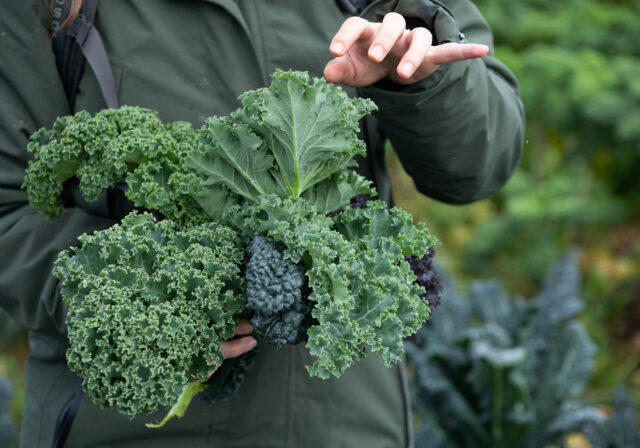
Local Food Economy
Good Food Jobs & Opportunities Update: March 2026
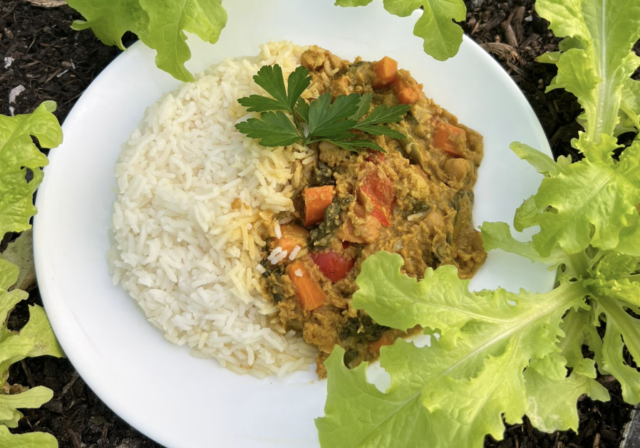
Local Food Economy
Fork It Forward at Redcatch Community Garden
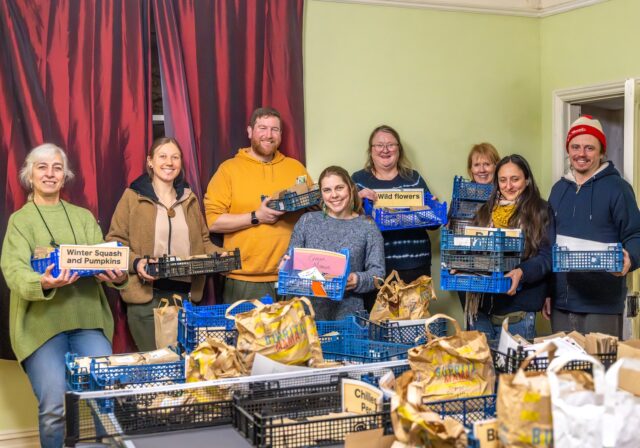
Food Justice
The seed guardians of Bristol
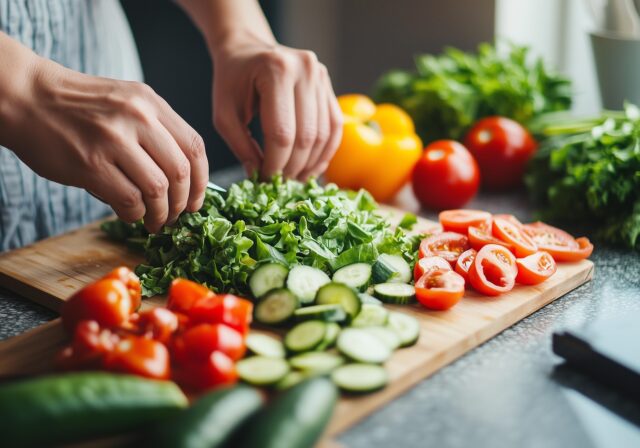
Eating Better
Cooking up a storm

Get involved
Join the movement
Connect with people and organisations working to make food better in Bristol
Read local stories
Discover what communities, public institutions and businesses are already doing
Discover events near you
Find workshops, talks and activities happening across the city
Find new opportunities
Access good food jobs and training, funding and volunteering opportunities
Sign up for our newsletter
Get the latest updates on the good food movement in Bristol
Bristol: A Food City over Time
Bristol has a long history of working together to make food better for communities, climate and nature.
2010- Bristol establishes its Food Policy Council – a first step to collaborative action for the city’s food system
2011 – Who Feeds Bristol? highlights gaps and opportunities in the city’s food system
2013 – Bristol’s first Good Food Plan is published
2015 – Bristol achieves Silver Sustainable Food City status
2021 – Bristol levels up to Gold Sustainable Food City status
2022 – Bristol’s Food Equality Strategy and Action Plan launches
2023 – Bristol Good Food 2030 builds on this journey, helping shape the next chapter together.
Bristol Good Food 2030 is for everyone who eats in Bristol, and. communities and organisations across the city are already taking action for good food. By helping them connect, collaborate and share learning, BGF2030 supports a better food future for people and planet.
Glossary
The Climate and Nature Crises describe two closely linked challenges: climate change and the loss of wildlife and natural habitats. They are described as plural because they affect many parts of the world in different ways, from rising temperatures and extreme weather to declining biodiversity, polluted water and degraded land. Together, these crises threaten food production, health and wellbeing, but they can also be addressed through positive action, including changes to how food is grown, shared and eaten.
Food Justice means everyone has access to nutritious, affordable and culturally appropriate food that is grown, produced, sold and eaten in ways that care for both people and the environment. It’s about fairness in the whole food system so that no one is excluded from the right to good food,
Industrial Farming produces food at large scale using intensive methods such as chemical fertilisers, pesticides, heavy machinery and large numbers of animals. It’s linked to high food system emissions because it relies on fossil fuels and energy-intensive inputs and can damage soil and wildlife.
A Supply Chain is the sequence of steps that moves food from farms to processors, storage facilities, wholesalers, retailers and eating places before reaching the end consumer.
Sustainable Food Places and Partnerships: BGF2030 is Bristol’s Sustainable Food Partnership, part of a national programme of work designed to make food work better for cities. A Sustainable Food Partnership (often called a Sustainable Food Place) is a local alliance of people and organisations working together to make the local food system healthier, fairer and more sustainable. These partnerships bring together community groups, businesses, farmers, public services, local authorities and citizens to agree shared goals and take action on food in their area.